Cosmetic Bonding
Contours the gumline for a balanced, attractive smile.
1. What Is Cosmetic Bonding?
Cosmetic bonding, also known as dental bonding or composite bonding, is a procedure that uses a tooth-colored composite resin to improve the appearance of teeth. It is a cost-effective and minimally invasive way to address a variety of cosmetic issues, such as:
Repairing chipped, cracked, or fractured teeth.
Filling in gaps or spaces between teeth.
Concealing discoloration or stains that are resistant to whitening treatments.
Changing the shape or length of a tooth.
Protecting an exposed tooth root due to gum recession.
The procedure is called "bonding" because the composite resin material literally bonds to the surface of the natural tooth.
2. How Does the Cosmetic Bonding Procedure Work?
Cosmetic bonding is a quick and straightforward process that can often be completed in a single dental visit. The steps typically include:
Preparation: The dentist will select a shade of composite resin that closely matches your natural tooth color. In most cases, little to no preparation of the tooth is needed. The tooth's surface is lightly roughened, and a conditioning liquid is applied to help the resin adhere.
Application: The tooth-colored putty-like resin is applied to the tooth and carefully molded and sculpted into the desired shape.
Hardening: A special ultraviolet (UV) light is used to quickly harden the resin, bonding it to the tooth.
Finishing: The dentist will then trim, shape, and polish the bonded material until it is smooth and blends seamlessly with the rest of the tooth.
Anesthesia is typically not required unless the bonding is being done to fill a cavity or the area being treated is near a nerve.
3. How Much Does Cosmetic Bonding Cost?
The cost of cosmetic bonding can vary widely depending on factors like the number of teeth being treated, the complexity of the procedure, and the dentist's location and expertise. On average, the cost can range from $100 to $600 per tooth, but it can be more or less depending on your specific case. Unlike more complex cosmetic procedures, bonding is generally considered a more affordable option.
4. What Is the Recovery Time and Aftercare?
The recovery for cosmetic bonding is typically minimal, and you can usually return to your normal daily activities immediately after the procedure. You may experience some mild sensitivity to hot or cold foods and drinks for a few days, but this is temporary.
For aftercare, it is important to:
Avoid consuming foods and drinks that can stain for the first 48 hours.
Continue to brush and floss regularly.
Avoid biting down on hard foods or using your bonded teeth to open packages, which could cause the material to chip.
Schedule regular dental checkups to ensure the bonding is in good condition.
Get Complete Smile Makeover Save 15%
Dr. Junaed and his team of Oral Surgeons and Periodontists are committed to providing you with the highest quality of implants and crowns.
Visit Us
01
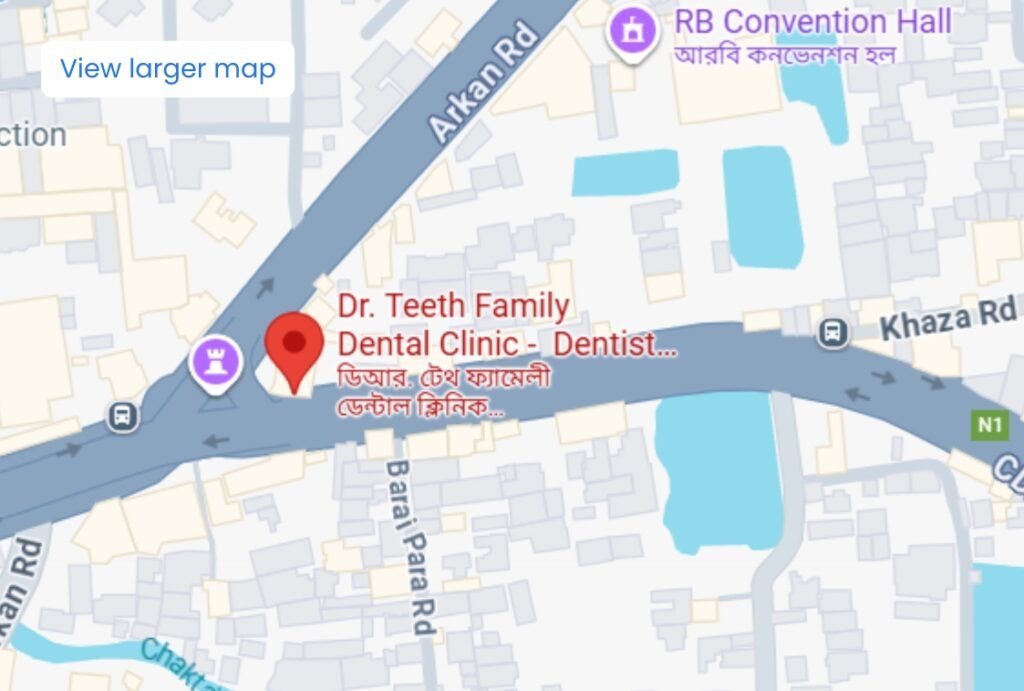
Chandgaon Branch
- A Four Star Market (2nd Floor), Opposite to Kashbon Restaurant, Bahaddarhut Main Circle, Chandgaon, Chattogram
02
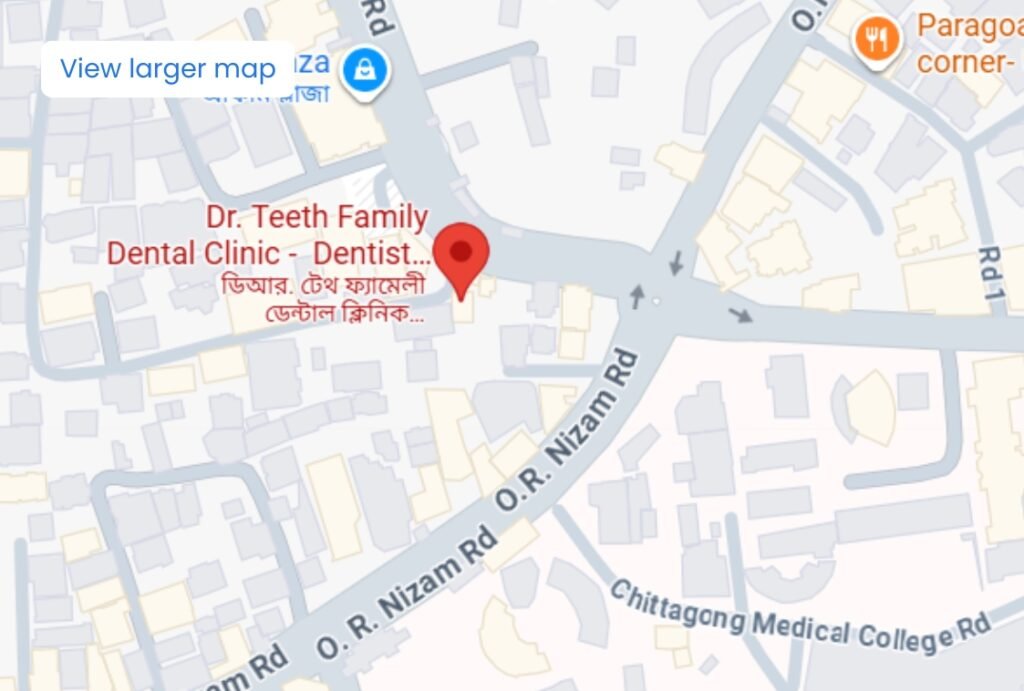
Prabortak Branch
- A.S Tower (Level-6), Prothom-Alo Building, Near Shishu Academy, Road# 01, Hill View R/A, Prabortok-Circle, Panchlish, Chattogram
Contact Us
- +880 1999-961517
- info@drteethfamilydental.com
- Saturday – Thursday: 10:00 A.M. – 9:00 P.M.
- Friday: By appointment only
Follow Us On
drteethfamilydental © 2024 - All Rights Reserved